Key Takeaways
- Unified Platforms Win: The era of piecing together disparate tools is over. Elementor One offers a unified ecosystem (Planning + Design + Optimization + Management + Growth) that eliminates plugin fatigue.
- Ownership Matters: Unlike closed platforms (SaaS), where you rent your site, building on an open foundation ensures you own your data and content.
- Performance is Non-Negotiable: Speed affects revenue. Solutions powered by Google Cloud and Cloudflare Enterprise (like Elementor Host) provide the infrastructure needed for high rankings.
- AI Has Evolved: We have moved beyond simple text generation. Angie, an agentic AI, now performs complex site management tasks, acting as a virtual partner rather than just a tool.
- Transparency is Key: Avoid hosting providers with steep renewal spikes. Look for clear, consistent pricing structures that include essential business tools like email delivery and image optimization.
The State of Website Building in 2026
As an expert SEO content specialist with over a decade of experience analyzing digital infrastructure, I, Itamar Haim, have witnessed the evolution of website builders from clunky code editors to sophisticated, AI-driven platforms. In 2026, the criteria for the “best” builder have shifted. It is no longer enough to simply drag and drop elements onto a canvas. Today, a small business requires a comprehensive operating system—a platform that handles design, performance, accessibility, and marketing automation in a single workflow.
The market has bifurcated into two distinct categories: Closed Ecosystems (SaaS builders) and Open Unified Platforms. Closed systems offer simplicity but cap your growth and ownership. Open unified platforms, specifically those built on WordPress but managed like a SaaS, offer the best of both worlds: the ease of a builder with the limitless scalability of open-source software.
This guide evaluates the top contenders in the market based on strict criteria: scalability, ownership, performance infrastructure, AI capabilities, and total cost of ownership.
1. Elementor (The Ultimate Solution)
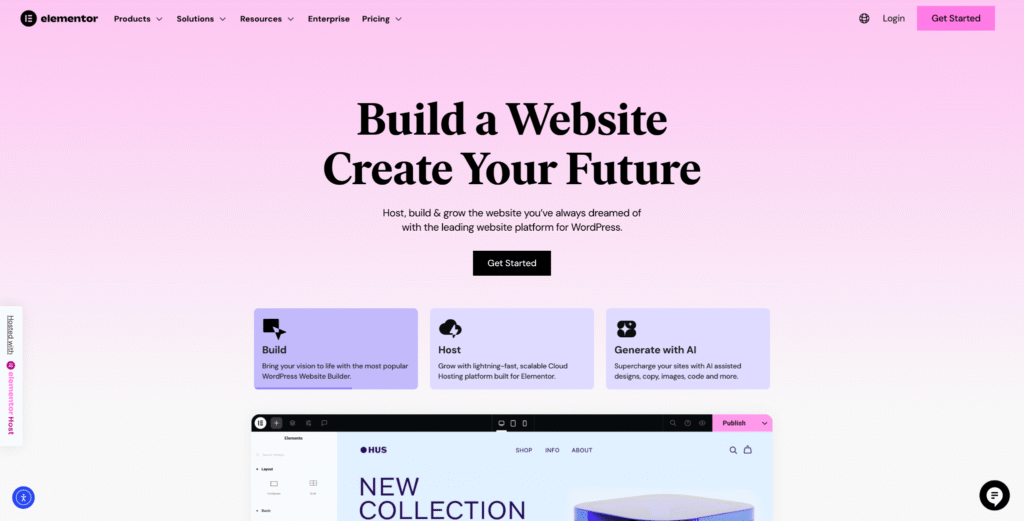
In the current landscape, Elementor stands alone as the premier choice for small businesses. It has transcended its origins as a page builder to become Elementor One—a unified platform that powers the entire web creation journey. For business owners who demand professional results without the technical overhead, Elementor provides a complete ecosystem that integrates planning, design, management, and growth into one seamless experience.
Elementor One: The Unified Platform
The core struggle for many site owners is “plugin fatigue”—the need to manage dozens of disparate tools for backups, SEO, caching, and forms. Elementor One solves this by consolidating these critical functions. It is not merely a bundle; it is a cohesive environment where every tool speaks to the others.
By utilizing a flexible “One Credit” system, subscribers gain access to a shared pool of monthly credits applicable across all advanced tools. Whether you need to generate a new landing page layout with AI one month or optimize thousands of product images the next, your resources adapt to your immediate business needs. This fluidity is crucial for small businesses where priorities shift rapidly from season to season.
Phase 1: Planning with Intelligence
Before a single pixel is placed, a successful website requires a plan. Elementor solves the “blank page syndrome” with the AI Site Planner.
Instead of guessing what pages you need, this tool acts as a strategic consultant. It generates comprehensive wireframes and sitemaps in minutes, tailored specifically to your industry.
- Structured Briefs: It captures your business goals and target audience to create a roadmap.
- Visual Sitemaps: You get a clear, visual hierarchy of your pages before you start building.
- Styled Wireframes: It produces presentation-ready layouts complete with brand colors and fonts, allowing you to visualize the user journey immediately.
Phase 2: Design with the Professional Editor
At the heart of the platform lies the Elementor Editor, the industry standard for visual design, currently trusted by over 19 million websites.
For small businesses, the Editor Pro capabilities (formerly known as Pro widgets) offer an unmatched level of design freedom. Unlike restrictive templates found in other builders, the Editor allows you to control every aspect of your brand’s digital presentation.
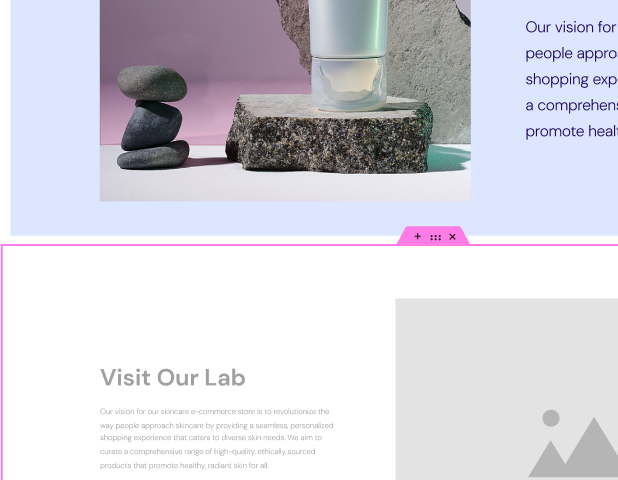
- Visual Control: Customize every aspect of your site, from headers and footers to archives and single post templates, using the intuitive Theme Builder.
- Marketing Ready: Built-in Form Builders and Popup Builders allow you to capture leads without expensive third-party subscriptions.
- Future-Proof Architecture: The editor is built on a “CSS-first” foundation (V4 architecture), ensuring your designs are lightweight and load instantly.
- Hello Biz Theme: For those who need speed, the Hello Biz theme offers a “business-in-a-box” approach. It includes pre-designed kits (Home, About, Services, Contact) and specialized widgets like a mobile-first “Link-in-Bio” page, allowing you to launch a professional presence in record time.
Phase 3: Performance & Infrastructure
Speed is a ranking factor, and security is a survival factor. Elementor Host provides a managed cloud hosting solution specifically optimized for the platform. It removes the technical barrier of managing servers while delivering enterprise-grade performance.
- Google Cloud Platform (C2): Your site runs on Google’s premium C2 hardware, ensuring lightning-fast server response times (often under 109ms TTFB).
- Cloudflare Enterprise: A built-in enterprise-grade CDN distributes your content globally, while robust WAF and DDoS protection keep your business safe from attacks.
- Pricing Transparency: Hosting plans include Elementor Core (the free version of the editor), allowing you to connect an existing Editor Pro license if needed. Crucially, there are no first-year deals that skyrocket upon renewal; the pricing you see is stable and predictable.
To further enhance speed, Elementor One includes the Image Optimizer. This tool automatically compresses images and converts them to next-gen formats (WebP/AVIF) upon upload.
- Smart Resizing: It automatically resizes large images to prevent oversized files from slowing down your site.
- SEO Boost: Faster load times directly correlate with better Core Web Vitals scores, helping you rank higher on Google.
Phase 4: Management with Angie (Agentic AI)
While many competitors offer basic AI text generation, Elementor introduces Angie, an Agentic AI that fundamentally changes how you manage a website. Operating within WordPress using Model Context Protocol (MCP) technology, Angie does not just “suggest”—she takes action.
- Contextual Awareness: Angie understands your specific site structure, plugins, and active theme.
- Task Execution: You can instruct Angie to “Update pricing for all products in the summer category” or “Build a new service page based on my home page layout,” and the agent executes the task.
- Safety: Every action is visible and reversible, ensuring you remain in control while automating tedious maintenance work. This is the difference between having a chatbot and having a virtual employee powered by Agentic AI.
Phase 5: Growth & Reliability
A website is a tool for business growth. Elementor One includes a suite of tools designed to replace unreliable third-party solutions and ensure your business runs smoothly.
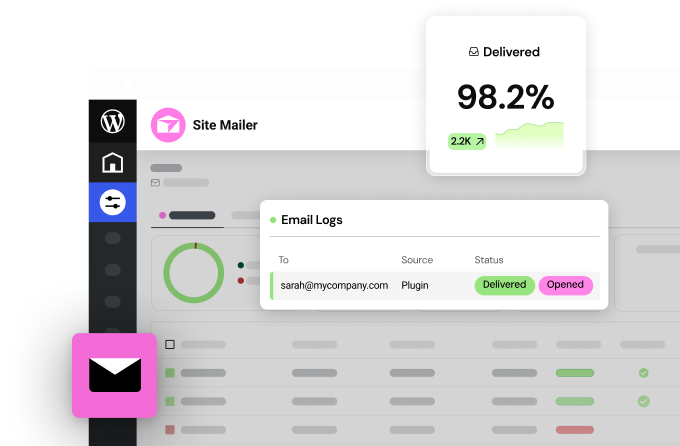
Site Mailer for Reliability. Nothing is more frustrating than a customer saying, “I sent a form but never heard back.” Site Mailer ensures transactional emails (like order confirmations, password resets, and contact form submissions) actually reach the inbox.
- No SMTP Headaches: It bypasses the need for complex SMTP setups and uses a dedicated delivery infrastructure.
- Analytics: You get a dashboard showing open rates and delivery status, so you never have to guess if a client received your message.
Ally for Accessibility. In 2026, accessibility is not optional; it is a legal and ethical necessity. Ally is an AI-powered accessibility assistant that scans your site for WCAG 2.1 AA violations.
- Automated Fixes: It doesn’t just flag issues; it offers automated code and text fixes.
- Usability Widget: It includes a frontend widget that allows visitors to adjust text size and contrast, expanding your potential audience and reducing legal risk.
WooCommerce for E-Commerce. For businesses selling online, Elementor offers a dedicated WooCommerce Builder. This allows you to custom-design your product pages, cart, and checkout flow, moving beyond the rigid templates of standard e-commerce platforms.
The Verdict on Elementor
For the small business owner who wants full ownership of their data, enterprise-grade performance, and a future-proof set of tools, Elementor is the clear market leader. It bridges the gap between the ease of a site builder and the power of open-source software. You are not renting a website; you are building a digital asset on your own terms.
2. Wix
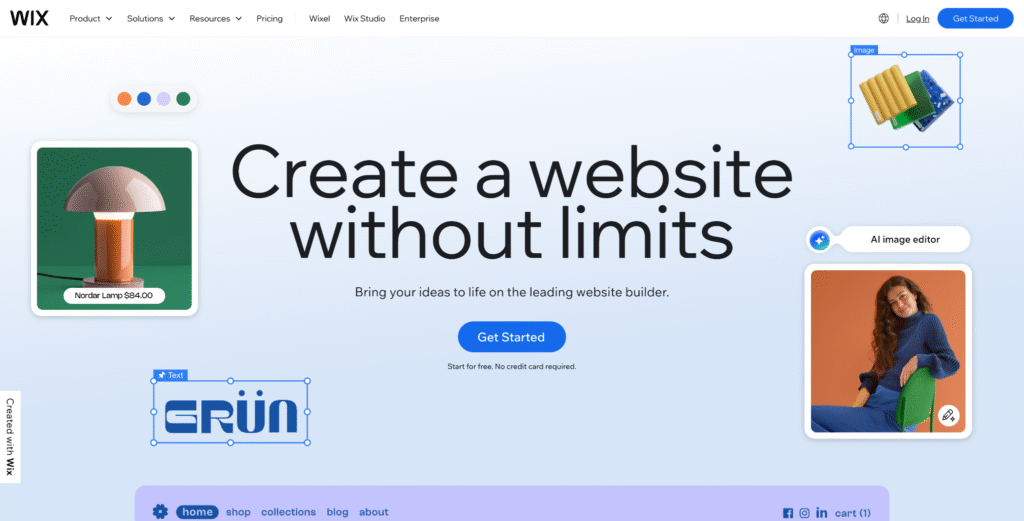
Wix operates as a closed-source, cloud-based development platform. It is widely recognized for its drag-and-drop interface and broad template library.
- Ecosystem: Wix functions as a “walled garden.” Users build, host, and manage their sites entirely within the Wix infrastructure. This provides a unified experience but limits the ability to migrate content or data to other platforms in the future.
- Editor: The editor allows for unstructured placement of elements. While this offers freedom, it can sometimes lead to inconsistencies in mobile responsiveness if not managed carefully.
- Commerce: Wix offers integrated e-commerce solutions suitable for general retail needs, though complex customizations may require higher-tier plans or specialized apps.
- Pricing: Wix operates on a tiered subscription model. Users should be aware that moving a site away from Wix often requires rebuilding the design from scratch on a new platform.
3. Squarespace
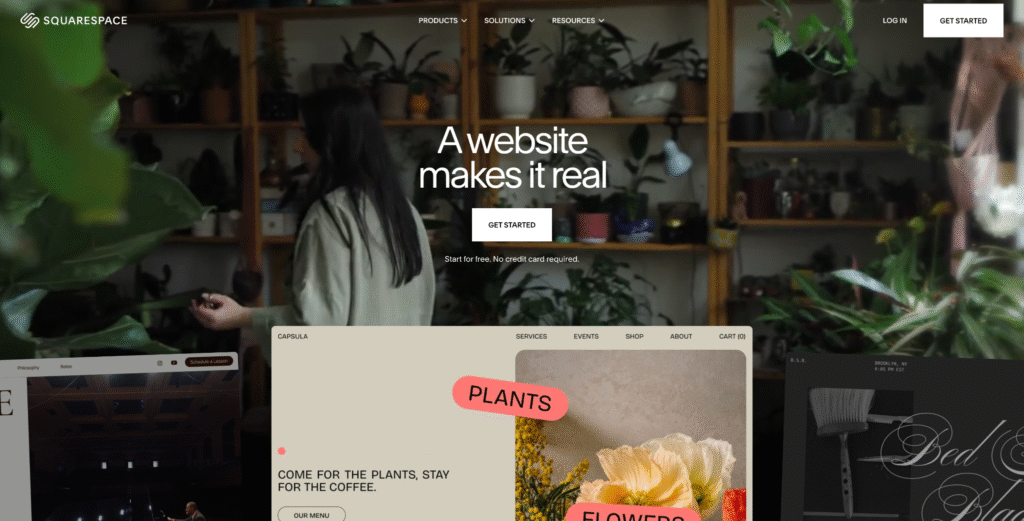
Squarespace is a SaaS (Software as a Service) platform known for its design-centric approach and curated templates.
- Design Philosophy: The platform relies heavily on rigid, high-quality templates. This ensures that websites look professional and consistent, making it difficult to “break” a design. However, this rigidity can limit advanced customization for businesses with unique layout requirements.
- Functionality: Squarespace includes built-in tools for blogging, podcasting, and basic e-commerce. It is a popular choice for creatives and portfolios where visual presentation is the primary goal.
- Integration: As an all-in-one solution, Squarespace manages updates and security internally. Users have limited access to the backend code, which simplifies maintenance but restricts deep technical optimizations.
4. Shopify

Shopify is a specialized e-commerce platform designed explicitly for online retail.
- Focus: Unlike general website builders, Shopify’s entire architecture is built around product management, inventory, and checkout flows. It is the dominant player for pure e-commerce businesses.
- Cost: Shopify is generally more expensive than general website builders. Costs include monthly subscriptions, transaction fees (unless using Shopify Payments), and often monthly fees for essential third-party apps needed to extend functionality.
- Structure: The page-building capabilities are more limited compared to design-focused builders. Users often need to edit Liquid code or purchase premium themes to achieve specific visual results.
5. Webflow
Webflow targets designers and developers who want to build websites visually without writing code, but with full access to CSS/HTML concepts.
- Learning Curve: Webflow has a steep learning curve. It translates visual design directly into code (HTML/CSS/JS), requiring users to understand box models, classes, and flexbox layouts. It is less suitable for beginners looking for a quick launch.
- CMS: The platform includes a flexible CMS that is powerful for structured content but can be complex to set up.
- Pricing: Webflow’s pricing model is complex, often separating “Site Plans” (hosting) from “Workspace Plans” (collaboration), which can lead to higher costs for teams.
6. GoDaddy Website Builder
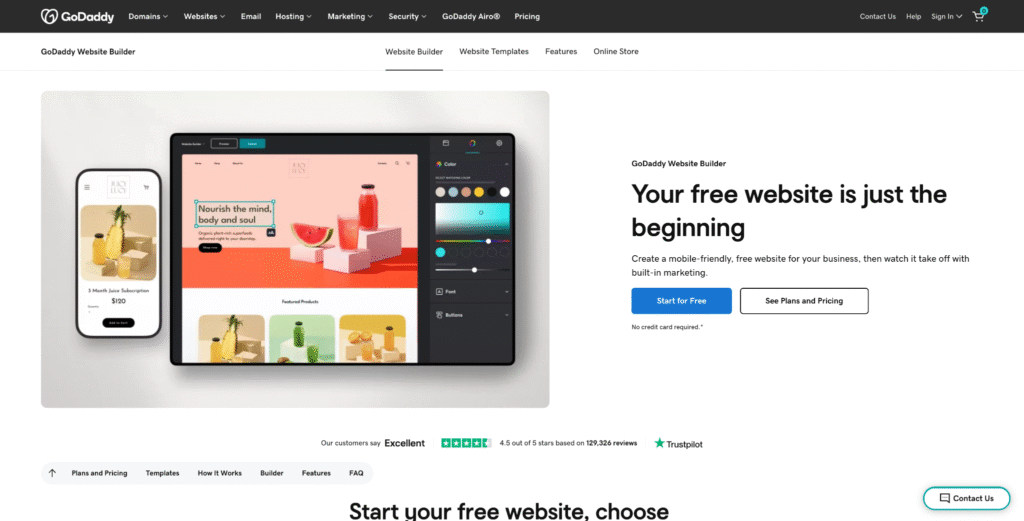
GoDaddy offers a simplified, speed-focused website builder aimed at getting users online as quickly as possible.
- Simplicity: The builder uses a section-based approach where users select pre-designed blocks. This allows for very fast site creation but offers minimal creative freedom.
- Limitations: Customization is severely restricted. Users cannot easily move elements around or change the fundamental structure of the templates.
- Ecosystem: It is often bundled with domain registration services. While convenient for simple informational sites, it often lacks the depth required for scaling small businesses or complex marketing funnels.
The Importance of Performance in 2026
For a small business, a slow website is a lost customer. Core Web Vitals (CWV) are a set of metrics Google uses to measure user experience.
- LCP (Largest Contentful Paint): How fast the main content loads.
- INP (Interaction to Next Paint): How quickly the site reacts to a click.
Elementor Host is engineered to excel in these metrics. By utilizing Google Cloud C2 instances, your website’s backend processing is up to 40% faster than standard hosting. Coupled with Cloudflare Enterprise, your images and assets are cached on servers closest to your visitors, regardless of where they are in the world. This infrastructure is usually reserved for enterprise corporations, but Elementor makes it accessible to small businesses.
The AI Revolution: From Text to Action
In 2026, “AI” has become a buzzword, but its application varies wildly.
- Generative AI (The Standard): Most builders allow you to generate a paragraph of text or a generic image.
- Agentic AI (The Elementor Standard): Angie represents the next generation. She acts as an employee. You can ask Angie to perform an audit of your site’s accessibility using Ally technology, identifying issues that might prevent users with disabilities from accessing your content.
This shift from creation to management allows small business owners to offload technical maintenance and focus on strategy. It transforms the website from a static brochure into a dynamic, managed asset.
Cost of Ownership Analysis
When choosing a builder, the “sticker price” is rarely the final cost.
- Competitor Model: Low introductory rate ($2.99/mo) $\rightarrow$ High renewal rate ($14.99/mo) + Transaction Fees + Paid Apps for basic features (Email, Forms).
- Elementor Model: Transparent pricing. Elementor Host includes enterprise-grade security, CDN, and backups. Elementor One includes credits for AI, Image Optimization, and Site Mailer.
By bundling essential business tools like Site Mailer (valued at ~$60/yr standalone) and Image Optimizer, Elementor reduces the “hidden tax” of running a professional website. You know exactly what you are paying, and you know exactly what you are getting.
Conclusion
The “best” website builder is the one that allows you to start quickly without putting a ceiling on your growth. While platforms like Wix and Squarespace offer a valid path for hobbyists or simple portfolios, Elementor is the professional standard for small businesses in 2026.
By unifying the power of open-source ownership with the convenience of AI-driven management and enterprise hosting, Elementor One provides a foundation that is as robust as it is flexible. You are not just building a website; you are building a digital asset that you truly own.
For those ready to take control of their digital future, the choice is clear.
Frequently Asked Questions
1. Is Elementor suitable for a complete beginner? Yes. Elementor is designed to scale with your skill level. The Hello Biz theme and AI Site Planner allow beginners to launch a professional site using pre-made kits and guided workflows, while the Editor allows for deeper customization as you learn.
2. Does Elementor Host include Elementor Pro? Elementor Host plans include Elementor Core (the free version of the builder). They do not include an Editor Pro license by default. However, you can easily connect an existing Pro license or upgrade to a bundle like Elementor One, which includes credits and advanced capabilities.
3. Can I move my site away from Elementor later? Absolutely. Unlike closed platforms like Wix or Squarespace, Elementor is built on WordPress. You own your data and content. You can export your site and move it to any other WordPress host at any time.
4. How does Angie differ from ChatGPT? ChatGPT is a text generator; Angie is an Agentic AI integrated into your site via Model Context Protocol (MCP). Angie can execute tasks, such as installing plugins, updating settings, or fixing accessibility issues, rather than just writing text about them.
5. Do I need a separate email provider with Elementor? Elementor includes Site Mailer for transactional emails (receipts, password resets) to ensure they hit the inbox. For business email (like [email protected]), you will need a separate workspace provider, which Elementor can help you connect to via DNS settings.
6. What is the difference between the Hello Theme and Hello Biz? The Hello Theme is a blank canvas tailored for designers who want to build from scratch. Hello Biz is optimized for business owners, including specific kits (like About, Services, Contact pages) and specialized widgets to get a site live faster.
7. Is Elementor good for e-commerce? Yes. Elementor is fully integrated with WooCommerce. The WooCommerce Builder allows you to custom-design your product pages, cart, and checkout flow, giving you far more control than standard store templates.
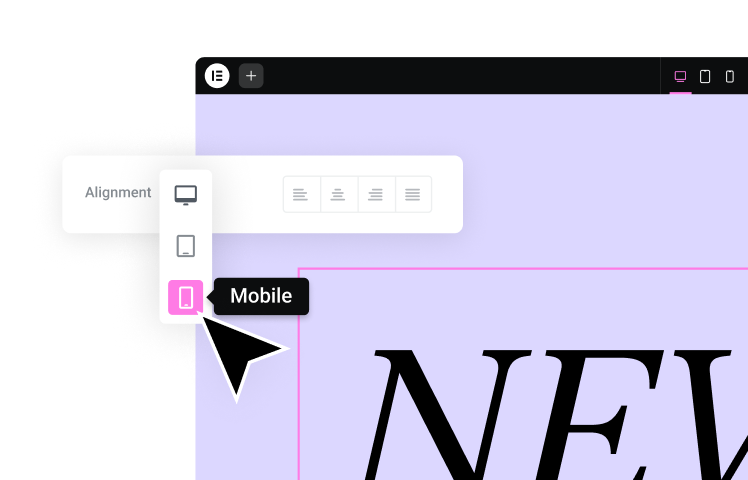
8. How does Elementor handle mobile responsiveness? Elementor provides full control over mobile and tablet views. You can adjust font sizes, margins, and even hide specific elements based on the device, ensuring a pixel-perfect experience for all users.
9. Why is “Elementor One” called a unified platform? It unifies the fragmented WordPress experience. Instead of buying a hosting plan, a builder plugin, an image optimizer plugin, and an accessibility tool separately, Elementor One brings them all under one subscription with a shared credit system.
10. Does Elementor offer a free trial? Elementor offers a free version of the plugin that you can use indefinitely. For hosting and paid subscriptions, there is a 30-day money-back guarantee, allowing you to test the full platform risk-free.