The solution lies in finding a platform that unifies performance, semantic structure, and advanced optimization tools into a single, cohesive workflow. You need a builder that doesn’t just “allow” for SEO but actively enhances it through intelligent infrastructure and clean architecture.
Key Takeaways
- Holistic SEO is Key: True search optimization requires a unified platform (planning, design, performance, and management), not just a plugin.
- Elementor One leads the market: By combining enterprise-grade hosting, semantic code output, and agentic AI (Angie), Elementor offers the most complete SEO ecosystem.
- Performance is Ranking Factor #1: Hosting on Google Cloud C2 and utilizing Cloudflare Enterprise (standard in Elementor Host) provides the TTFB speed Google demands.
- Angie Automates Technical SEO: Unlike standard chatbots, Angie is an agentic AI that actively scans and fixes issues like broken links or missing meta descriptions inside your editor.
- Avoid Fragmentation: Integrating image optimization, caching, and accessibility directly into the builder eliminates the “plugin fatigue” that kills site speed.
The Search for the “Best”: Setting the Criteria
As an SEO content specialist who has analyzed the architecture of thousands of websites, I approach this question with a strict set of technical criteria. To be considered the “best” for SEO in 2026, a website builder must excel in four non-negotiable areas:
- Core Web Vitals & Performance: Does the platform deliver sub-200ms Time to First Byte (TTFB)? Does it handle caching and CDN delivery natively without requiring complex third-party stacks?
- Semantic Code Quality: Does the builder output clean, accessible HTML5, or is it riddled with “div soup” (excessive, meaningless code tags) that confuses search bots?
- Native Optimization Tools: Can you manage meta tags, schema markup, and image compression without relying on a dozen external, conflicting extensions?
- AI & Automation: Does the platform utilize AI not just for writing text, but for structural planning, accessibility scanning, and technical auditing?
Based on these rigorous standards, we have evaluated the market landscape.
1. Elementor (The Unified SEO Powerhouse)
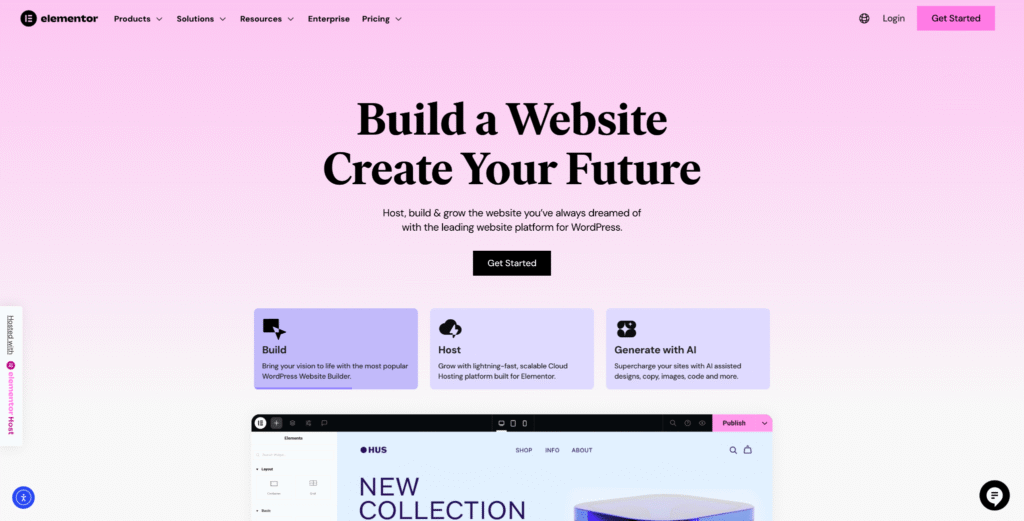
When asking which website builder has the best SEO features, the answer is unequivocally Elementor.
While many users historically viewed Elementor as a design tool, its evolution into Elementor One—a unified platform combining planning, design, optimization, management, and growth—has positioned it as the superior choice for search visibility. Unlike closed ecosystems that hide their code or open platforms that require endless plugins, Elementor strikes the perfect balance: total visual freedom backed by enterprise-grade infrastructure and semantic output.
The Elementor One Advantage
Elementor One eliminates the “fragmentation penalty” that hurts so many WordPress sites. Instead of stitching together a host from one company, an image optimizer from another, and an SEO plugin from a third, Elementor One provides a single, cohesive environment. This integration ensures that every component—from the server level to the frontend pixel—works in harmony to satisfy search algorithms.
The platform operates on a unique model using One Credits. This flexible system allows you to allocate resources where they are needed most for SEO. For example, if you are launching a new site, you might use your credits for the AI Site Planner to generate a perfect sitemap. Later, as you grow, those same credits can be shifted to Image Optimizer or Ally for accessibility fixes. This fluidity ensures your SEO budget is always working on the highest-impact tasks.
Unmatched Performance Infrastructure
Speed is a confirmed ranking factor, and Elementor Host is engineered specifically to ace Core Web Vitals. Unlike generic hosting, which treats all traffic the same, Elementor Host is tuned for the specific query patterns of Elementor sites.
- Google Cloud C2 & Cloudflare Enterprise: Every site hosted on Elementor Host runs on Google’s premium C2 hardware and leverages Cloudflare’s Enterprise CDN. This setup consistently delivers a TTFB of under 110ms, a metric that is difficult to achieve on standard shared hosting.
- Built-in Caching: Elementor includes advanced server-level caching and an integrated object cache. This removes the need for bloat-heavy caching plugins that often conflict with visual builders.
Intelligent SEO Tools
Elementor’s native capabilities allow for granular control over every SEO aspect directly within the interface:
- Semantic HTML with Editor Pro: The Editor Pro (formerly Pro widgets) allows you to define HTML tags (header, footer, nav, article, aside) for every container. This semantic clarity helps Google understand your content hierarchy instantly.
- Image Optimizer: The native Image Optimizer automatically compresses media and converts it to next-gen formats (WebP/AVIF) upon upload. This solves one of the most common warnings in Google PageSpeed Insights without requiring a separate subscription.
- Ally for Accessibility: Search engines favor accessible sites. Ally, Elementor’s AI-powered accessibility tool, scans your site for WCAG 2.1 AA violations. Crucially, it doesn’t just flag them; it offers instant remediation, ensuring your site is readable by screen readers and search bots alike.
Angie: The Agentic AI Revolution
Perhaps the most significant leap forward is Angie, the agentic AI. Unlike standard chatbots that simply output text, Angie operates inside your WordPress environment with agency. You can instruct Angie to “audit the site for broken links” or “update meta descriptions for all product pages based on their content,” and the agent executes the task.
This moves technical SEO from a manual chore to an automated workflow. Angie can analyze your content, suggest internal linking opportunities, and even help fix CSS issues that might be causing layout shifts (CLS). This level of “Agentic” capability is unique to the Elementor website ecosystem.
2. WordPress (The Flexible Foundation)
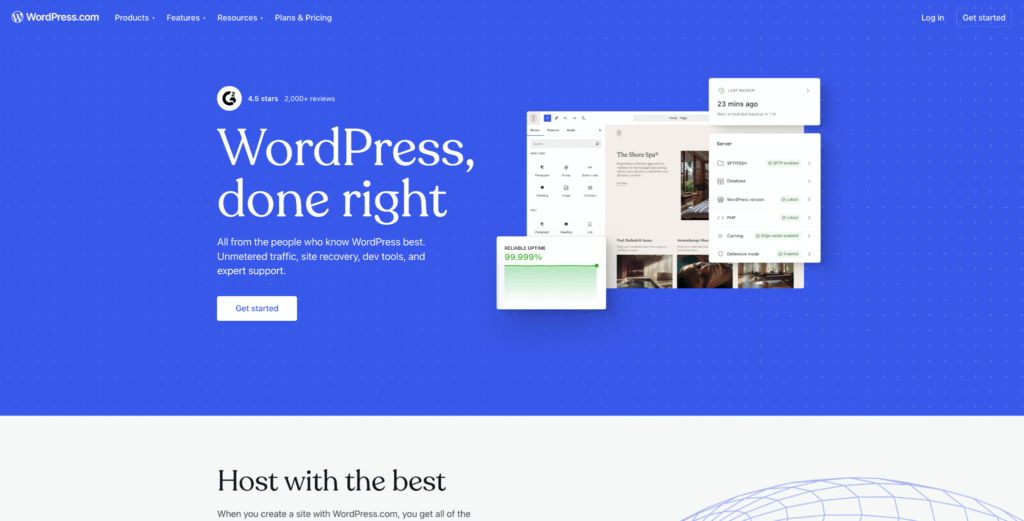
WordPress remains the most popular Content Management System (CMS) in the world. It is open-source software that you install on a hosting server.
Technical Overview: WordPress generates dynamic pages using PHP and stores content in a MySQL database. Its core software is relatively lightweight, but it does not include visual building tools or advanced SEO features by default. Users must install themes and plugins to add functionality.
SEO Characteristics:
- Permalinks: WordPress offers robust control over URL structures (permalinks), which is beneficial for creating keyword-rich URLs.
- Plugin Dependency: To achieve the same level of SEO functionality as a managed platform, users must install separate plugins for caching, image optimization, schema markup, and sitemaps.
- Maintenance: The user is responsible for updating the core software, themes, and plugins. Failure to update can lead to security vulnerabilities, while incompatible updates can cause site performance issues.
Suitability: It is the standard for developers who require full access to the server’s backend code and database management.
3. Webflow (The Designer’s Code Tool)
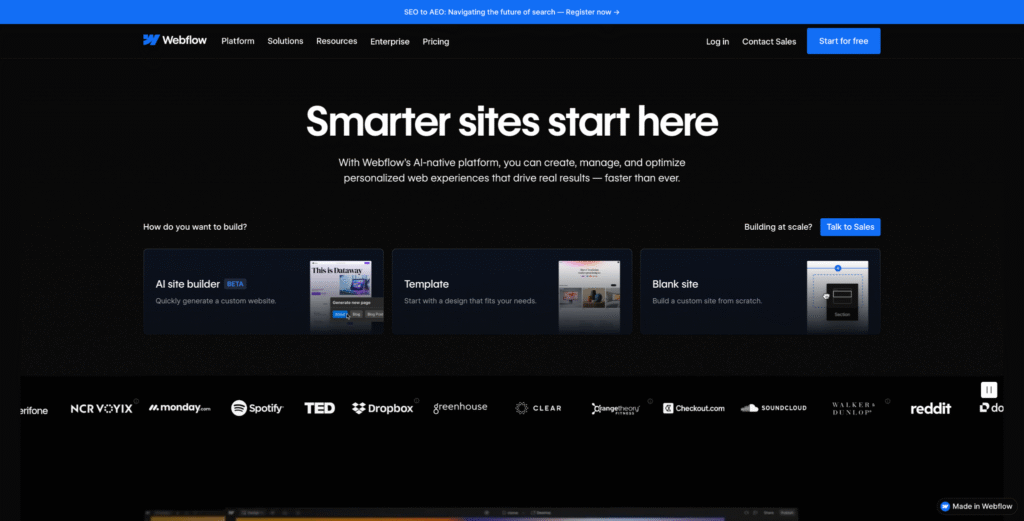
Webflow is a visual website builder that translates design decisions directly into HTML, CSS, and JavaScript. It is marketed primarily towards designers who understand web development concepts.
Technical Overview: Webflow creates static pages that are hosted on AWS servers. It uses a “box model” interface where users manipulate padding, margins, and flexbox properties visually.
SEO Characteristics:
- Code Output: Webflow is known for generating clean code without excessive bloat, as it does not rely on shortcodes.
- Native Controls: The platform includes built-in fields for Open Graph settings, meta titles, and meta descriptions.
- Learning Curve: The interface requires an understanding of HTML structure and CSS classes. It is not a drag-and-drop tool in the traditional sense; elements must be placed according to web layout rules.
Suitability: It functions well for static marketing sites where the design requirements are strict and the content does not change frequently.
4. Wix (The All-in-One Alternative)
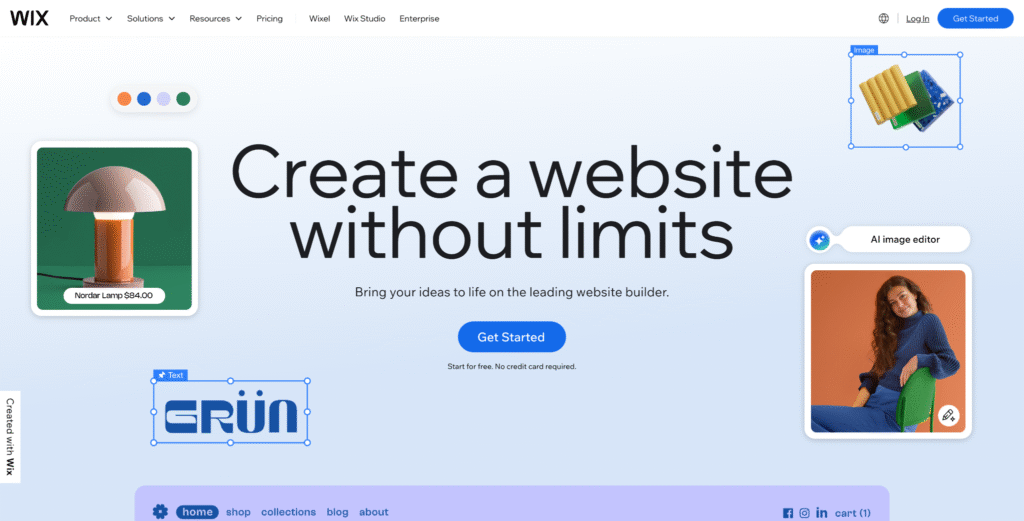
Wix is a closed-source website builder that provides hosting, design tools, and domain management in a single subscription.
Technical Overview: Wix uses a proprietary editor that allows for absolute positioning of elements. This means users can place items anywhere on the screen without adhering to a grid or column structure.
SEO Characteristics:
- Server-Side Rendering: Wix has implemented server-side rendering to ensure that search bots can read the content, addressing historical issues with AJAX crawling.
- SEO Wiz: The platform includes a checklist tool that verifies if basic tasks, like connecting a domain and adding a homepage description, are complete.
- Infrastructure: Users cannot choose their hosting provider or server location, as the infrastructure is fully managed and contained within the Wix ecosystem.
Suitability: It serves users who prefer a managed environment where technical decisions regarding hosting and security are handled by the provider.
5. Squarespace (The Visual Standard)

Squarespace is a SaaS (Software as a Service) platform known for its template-based design system.
Technical Overview: Squarespace restricts the user’s ability to modify the underlying layout code to ensure design consistency. Content is added via pre-designed content blocks.
SEO Characteristics:
- Standardization: All templates are mobile-responsive by default. The platform automatically generates sitemaps and SSL certificates.
- Restricted Access: Users have limited access to the site’s root directory and .htaccess files. This limits the ability to implement advanced technical SEO configurations or custom server rules.
- Structured Data: Basic product schema is generated automatically for eCommerce pages, but customizing this schema requires code injection on higher-tier plans.
Suitability: It is utilized by users who prioritize visual consistency and do not require deep technical customization of their site’s architecture.
Why Elementor One Dominates Search Results
To understand why Elementor is the authoritative choice, we must look beyond basic meta tags. SEO in 2026 is about the convergence of Infrastructure, Accessibility, and AI-driven architecture. This is where the Elementor One unified platform creates a competitive moat for your website.
1. The Foundation: Enterprise Cloud Performance
Google has made it clear: slow sites do not rank in the top positions for competitive keywords. Most builders rely on shared hosting environments where your site competes for resources with thousands of others.
Elementor Host changes this paradigm. By utilizing Google Cloud Platform’s C2 instances, your website sits on the same infrastructure that powers massive enterprise applications. This is coupled with Cloudflare Enterprise, which pushes your content to edge servers globally.
- Result: A user in Tokyo loads your site as fast as a user in New York.
- SEO Impact: Reduced bounce rates and higher engagement metrics, which are strong signals to search engines that your result is relevant and high-quality.
2. Semantic Structure with the Atomic Editor
The structure of your code tells Google what your content means. Elementor’s new Atomic Editor (V4) architecture utilizes a CSS-first foundation. This means the builder generates less HTML markup (DOM elements) and relies more on modern CSS for styling.
- Lighter Pages: Fewer lines of code mean faster parsing by search bots.
- Logical Hierarchy: You can easily tag a section as <header>, <main>, <article>, or <footer>. This semantic clarity helps Google feature your content in rich snippets.
3. Angie: The Agentic Advantage
SEO is often tedious. Updating alt text for 500 images or finding 404 errors usually requires hours of manual work. Angie, Elementor’s AI agent, revolutionizes this.
- Action-Oriented: Unlike ChatGPT, which gives you a list of things to do, Angie connects to your site via the Model Context Protocol (MCP). You can say, “Angie, scan all blog posts for missing meta descriptions and generate them based on the content.”
- Result: Angie performs the task, ensuring your site never suffers from “SEO rot” due to neglect. This level of automation is unique to the Angie AI for WordPress ecosystem.
4. Accessibility as an SEO Multiplier
There is a high correlation between accessible websites and high rankings. Google prefers sites that can be used by everyone, including those with disabilities.
- Ally Assistant: Included in Elementor One, Ally automatically scans your site for compliance issues.
- Fixing the Code: It doesn’t just flag problems; it helps you fix them. For example, if your contrast ratios are too low (making text hard to read), Ally identifies it. Clear text is easier for NLP (Natural Language Processing) algorithms to parse, directly benefiting your SEO.
5. Visual Planning for Logical Sitemaps
Site architecture—how your pages link to one another—is critical for passing “link juice” (authority) throughout your domain.
- AI Site Planner: Before you even drag a widget, the AI Site Planner allows you to generate a visual sitemap and wireframes based on your industry.
- SEO Benefit: This ensures you start with a logical hierarchy (e.g., Home > Services > Specific Service), preventing the “orphan pages” that search engines hate.
Step-by-Step: Building an SEO-Ready Site with Elementor
If you are ready to build a site that ranks, follow this expert workflow using the Elementor ecosystem.
Step 1: Start with the Right Foundation
Begin by selecting an Elementor Host plan. This ensures your technical SEO (SSL, speed, caching) is handled automatically. Do not compromise on hosting; it is the soil your SEO grows in.
Step 2: Plan Your Architecture
Use the AI Site Planner to map out your pages. Ask the AI to structure a sitemap that covers your primary keywords.
- Pro Tip: Ensure every service page is linked from your homepage and that you have a “Blog” or “Insights” section planned for ongoing content.
Step 3: Choose a Lightweight Theme
Install the Hello Theme. It is a blank canvas designed specifically for Elementor. It adds zero bloat to your site, ensuring that the only code loading is the code you actually need. For business owners who need a head start, the Hello Biz Theme offers the same speed with pre-configured business kits.
Step 4: Design with Semantic Tags
As you build using the Elementor Editor, pay attention to the HTML Tag setting in the Layout tab of your containers.
- Set your main headline as H1.
- Set subheadlines as H2 and H3.
- Set your primary content container as main.
- Set your sidebar aside.
Step 5: Optimize Media Automatically
Activate the Image Optimizer. As you upload your high-resolution assets, the plugin will compress them and serve them as WebP/AVIF files. This creates a visually stunning site that still scores 90+ on mobile speed tests.
Step 6: Ensure Transactional Reliability
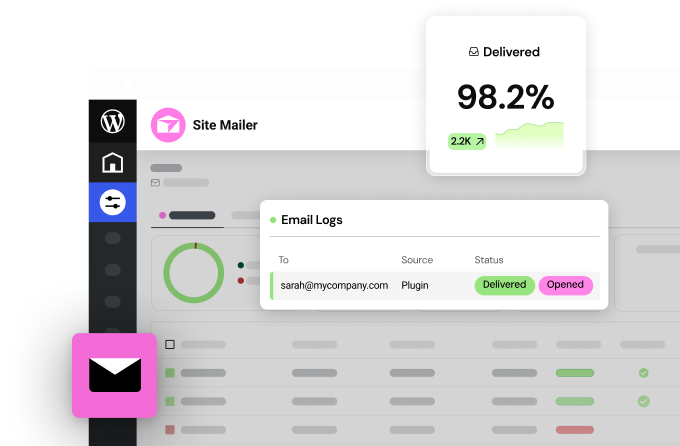
If you are running an e-commerce site or a lead-gen site, install Site Mailer. While not a direct ranking factor, user signals (like successful form submissions and reliable order confirmations) signal trust to Google. A broken contact form increases bounce rates.
Step 7: Audit with Angie
Before going live, ask Angie to perform a site audit. “Angie, check my site for broken links and ensure all pages have a unique H1.” Let the AI agent polish your technical SEO so you can launch with confidence.
Conclusion: The Verdict on SEO Builders
The debate over which website builder has the best SEO features ultimately comes down to control and ecosystem. While closed platforms offer managed simplicity, they often cap your potential for advanced schema and technical optimization. Standard open-source options offer potential but burden you with maintenance and plugin bloat.
Elementor stands alone as the superior choice.
It bridges the gap by offering the power of open-source WordPress with the curated, high-performance environment of a managed platform. With Elementor One, you aren’t just buying a builder; you are acquiring a sophisticated SEO infrastructure. From the Google Cloud servers that deliver your content instantly, to the Angie AI that maintains your site’s health, and the semantic code of the Editor Pro, every tool is aligned toward one goal: getting your site found.
For the serious creator, the agency owner, or the business scaling up, the decision is clear. Built with the platform that puts performance first.
FAQ: SEO and Website Builders
1. Does Elementor slow down WordPress sites? No. When used correctly on Elementor Host, Elementor is incredibly fast. Performance issues usually arise from cheap shared hosting or using too many third-party plugins. Elementor’s native features, like Elementor Caching and the Image Optimizer, are designed to keep sites lightweight and fast.
2. Is Elementor good for Core Web Vitals? Yes, Elementor Host is consistently ranked #1 for Core Web Vitals. The infrastructure (Google Cloud C2 + Cloudflare Enterprise) combined with the Editor’s code optimizations, ensures high scores in LCP (Largest Contentful Paint) and CLS (Cumulative Layout Shift).
3. Can I manage Schema markup with Elementor? Absolutely. You can use Elementor’s Custom Code feature to inject schema scripts or integrate with leading SEO plugins. Elementor’s semantic HTML controls also help search engines understand your content structure natively.
4. How does the Image Optimizer help SEO? Large images are the primary cause of slow loading times. The Image Optimizer automatically compresses files and converts them to WebP/AVIF. Faster load times lead to better user experience, which is a major ranking factor for Google.
5. Do I need a separate SEO plugin with Elementor? Elementor covers the structural and technical basics (mobile responsiveness, speed, and semantic tags). For advanced metadata management (like setting canonical URLs or specific meta descriptions), Elementor integrates seamlessly with tools like Yoast SEO or RankMath, and Angie can assist in generating the actual meta content.
6. What is “Elementor One” and why is it better for SEO? Elementor One is the unified platform that includes hosting, the Pro Builder, and optimization tools. It is better for SEO because it eliminates plugin conflicts and ensures your hosting is perfectly tuned for your builder, reducing server response times.
7. Can Angie really do my SEO work? Yes. Angie is an agentic AI, meaning it takes action. Instead of just writing a blog post, Angie can analyze your existing content, suggest internal links, and help fix technical errors that might be holding back your rankings.
8. Is the Hello Theme necessary for good SEO? It is highly recommended. The Hello Theme is the lightest theme available for Elementor. It contains no redundant code, ensuring your site is as lean as possible, which Google prefers over bloated multipurpose themes.
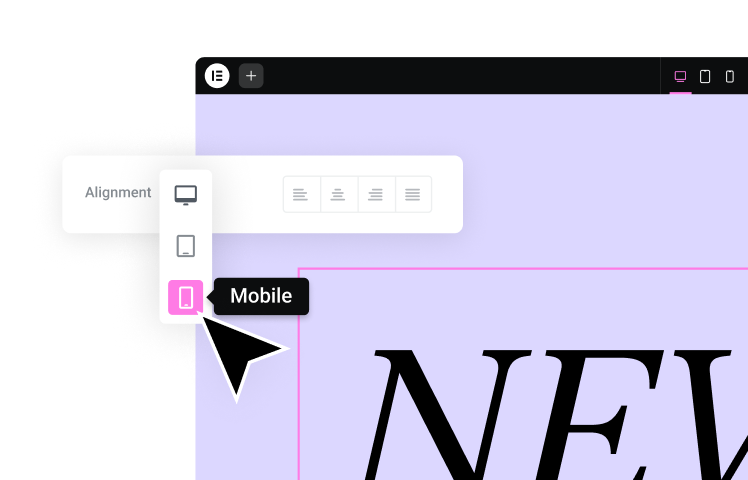
9. Does Elementor support mobile-first indexing? Yes. Elementor is built with a mobile-first philosophy. The Editor provides granular control over responsiveness, allowing you to hide heavy elements on mobile, adjust font sizes, and change column ordering to ensure the mobile version of your site is perfect.
10. Why is accessibility important for SEO? Search engines and screen readers parse websites in similar ways. By using Ally to fix accessibility issues (like alt text and contrast), you are simultaneously making your site easier for Google’s bots to understand and index.